
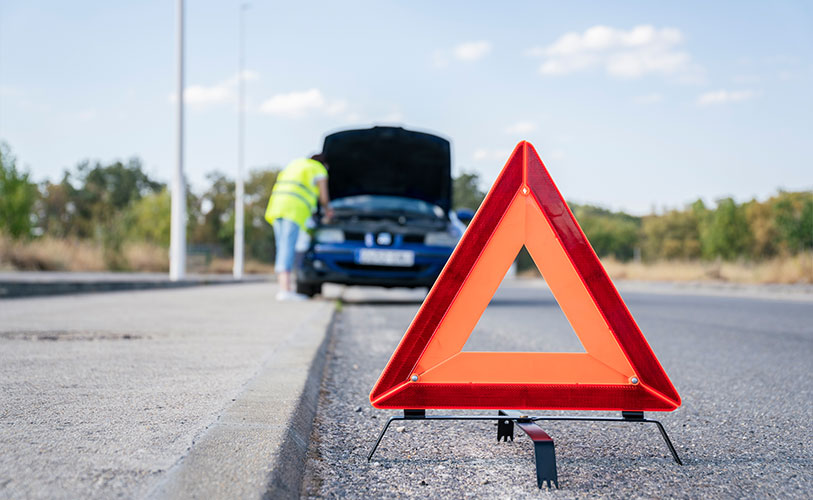


A long highway can turn quiet fast once you pass the last fuel stop. Plains, forests, or hard desert may stretch for hours, and help can feel far away. Roadside services exist to keep you moving even when bars drop and shoulders are narrow. The aim is simple: reach you, fix what can be fixed, tow what cannot, and keep people safe. Teams use checklists, mobile tools, and smart routing to save minutes. Trucks carry batteries, tire kits, fluids, and recovery gear. Drivers train in first aid and traffic control because the road is their work site. The result is a well-drilled system that turns stress into steps. Even in remote areas, that system gives you a plan, a timeline, and a path back to motion.
The First Phone Call
Help begins the moment you call or tap an app. A dispatcher asks a few quick questions while logging your details. This picks the right unit to send: a tire tech, a light-duty tow, or a full-service truck. Keep these short facts ready so the right gear rolls first:
- Your location, mile marker, or a nearby sign or bridge name
- Vehicle type, plate number, color, and any trailer
- Symptoms: smoke, warning light, odd noise, or a flat tire
- Hazards: fast traffic, soft shoulder, rough weather, or poor light
- Special needs: kids, pets, medical gear, or limited mobility
Those notes go straight to the driver’s tablet. Fewer callbacks, less waiting, and a plan that fits the job when the truck pulls up.
GPS And Signal Tricks
Finding a stranded car is part art and part tech. Assisted GPS (A-GPS) uses satellites plus cell towers to lock your position faster. When the signal is weak, teams can fall back to cell triangulation to estimate a map dot. If calls drop, a text with your map pin often gets through. Some trucks carry satellite messengers that send short pings from open sky. Tools like what3words shrink a huge empty field into a three-word square that is easy to read out over the wind. For safety, coordinates are shared only with the crew that needs them and stored for a short time. The goal is simple: get close on the first try so help reaches you sooner and with the right tools.
Tires: More Than Rubber
Many calls are about tires. A quick check starts with the valve, bead, and tread. If the puncture sits on the tread and the hole is small, a plug can seal it long enough to reach a shop. Sidewall cuts are not safe to patch. Load index and speed rating on the sidewall should match your work, especially on trucks that carry heavy tools. Keep these in mind:
- Cold tire pressure on many cars: 32–36 psi
- Space-saver spares: often 60 psi and lower speeds
- Lug-nut torque: 90–120 ft-lb cars; 130–150 ft-lb trucks
A service truck brings jacks, stands, torque wrenches, and inflators. The tech hand-tightens, lowers the wheel, and torques in a star pattern for even clamping. That helps studs last and the wheel seat to be cleaned.
Batteries And Jump Starts
A single click can be a weak battery, a dirty clamp, or a tired starter. Techs test resting voltage, then crank voltage. Healthy numbers are about 12.6V at rest and 13.8–14.4V with the engine running. Many carry jump packs that deliver short bursts of over 1000A to wake big engines. Safe steps come first:
- Check for swelling, leaks, or loose posts
- Clean clamps and tighten to stop arcing
- Connect positive to positive, negative to a solid ground
If the car starts but dies, the alternator may be weak. A quick load test can confirm. When a swap is needed, memory savers keep radio codes and window settings. Good crews also check belt tension and grounds so the new battery lasts, not just hides a bad connection or a slipping belt.
Fuel, Fluids, And Filters
Running out of fuel happens more out there, where long gaps hide the next pump. Roadside trucks can bring a few gallons to get you moving. Modern diesels may also need diesel exhaust fluid (DEF). If DEF gets poured into the diesel tank by mistake, the engine can stall, and a drain is required. Filters matter too. A clogged fuel filter shows up as a loss of power under load. Cooling problems are common on long climbs: soft hoses, stuck thermostats, or weak caps can let temps rise fast. Watch for a sweet smell, steam, or a hot gauge. Oil leaks leave dark spots; coolant leaks dry to a white crust. Quick checks of fluids and caps can turn a costly tow into a short stop that gets you to the next shop.
Winching And Recovery Basics
Soft sand, snow crust, and spring mud can trap even tall pickups. Recovery starts with a safe anchor and a simple plan. Winch lines are rated by pounds; common sizes run 8000–12000 lb. A snatch block can double the pulling force and ease strain. Before the first pull:
- Clear bystanders and stand to the side, never over the line
- Use a dampener or a jacket on the cable to reduce snapback
- Hook only to rated points, not a bumper skin or a tie rod
Traction boards, shovels, and airing down tires help in the first few feet. Slow, steady pulls beat fast jerks. If the frame is hung on a hump, a jack and cribbing may be needed before any winch work makes sense. Patience and clear hand signals keep people safe.
Data From Your Car
Today’s cars share clues through the OBD-II port under the dash. A small scanner can read codes like P0300 (random misfire) or P0420 (catalyst efficiency). That quick read helps choose a plan: fix here, drive gently to a shop, or tow. Some fleets use telematics to send coolant temp, battery volts, and fuel level to dispatch, which saves guesswork. If a sensor blip lights a warning but the car drives well, the tech can clear the code and see if it returns. Stable idle and steady temps suggest it is safe to roll. For rough roads, crews also check wheel speed sensors and loose connectors. A little data, plus a short road test, can turn a mystery light into a simple, safe next step.
Safety While You Wait
Your safety is the first job. Move off the road if the rim or sidewall is intact. If the tire is gone, try to reach a firm shoulder with hazard lights on. Then do the basics:
- Put on a bright vest or light jacket
- Place triangles about 10 m and 100 m behind; add one ahead on blind curves
- Turn wheels away from traffic on the shoulder
- Stay in the car with your seatbelt on if traffic is fast
- Keep kids and pets inside with the air on low
At night, a headlamp frees your hands. If you smell fuel, get everyone away and call at once. In cold weather, run the engine in short turns and crack a window. Fresh air prevents gases from building up without warning.
How To Prepare
A small kit lowers stress when the road gets quiet. Check these before long trips:
- Inflator, sealant, and a real spare with a good jack pad
- Jump pack with a clear charge meter
- First-aid kit, space blanket, and water
- Headlamp, gloves, and a simple poncho
- Satellite messenger or SOS unit if you drive far off-grid
- Copy of your policy number and VIN
Set reminders for upkeep: battery tests every three years, wipers yearly, and tire rotations every 10,000–12,000 km. Keep a list of torque specs and fluid types that fit your vehicle. Write down cold tire pressures inside the fuel door. A few minutes spent on prep can turn into an hour saved later. When trouble pops up, you will have tools, light, and facts ready to share.
Conclusion And Next Steps
Roadside service is a calm plan for a loud moment. The truck that arrives is more than a ride; it is a rolling kit with tools, power, and know-how to get you moving again. From GPS support to safe winch pulls and quick code reads, these teams turn long empty miles into a short stop. Keep a basic kit in your trunk, share clear facts when you call, and follow simple safety steps while you wait. If you work or travel in remote areas often, save key phone numbers and keep your gear up to date. When real help is needed, choose a crew that knows rough roads and long shifts. For dependable support that keeps you moving, reach out to Smith Oil Field Service.